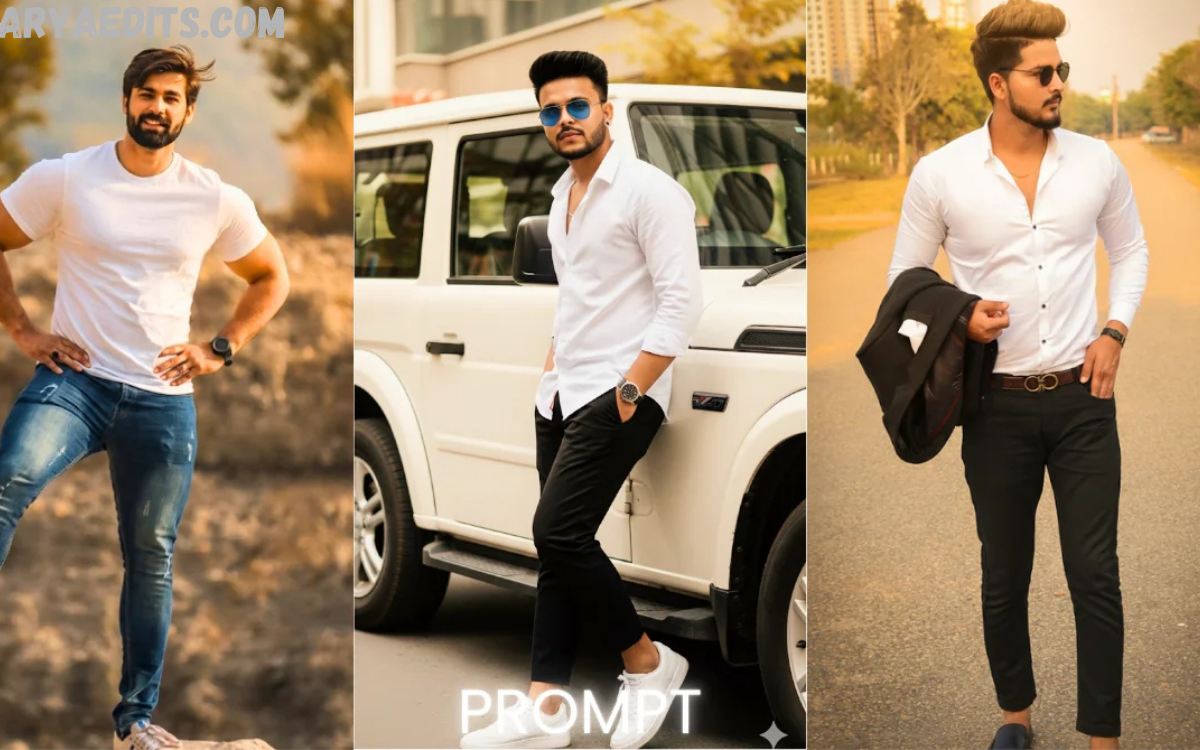


Artificial intelligence has transformed digital creativity, making professional-quality photo editing accessible to everyone. From social media creators and marketers to photographers and business owners, AI-powered tools now allow users to generate stunning visual effects using simple text instructions.
The rise of viral visual styles has ushered in a new era of content creation, in which trends spread rapidly across platforms. In 2026, AI-generated edits are becoming more realistic, artistic, and personalized than ever before.
About AI Photo Editing Prompt
AI photo editing prompts are text-based instructions that tell an AI tool how to modify, enhance, or transform an image. These prompts can include details about lighting, colors, artistic styles, backgrounds, camera effects, mood, and overall composition. The quality of the prompt often determines the quality of the final result.
As AI editing tools become more sophisticated, prompts have evolved from simple commands into detailed creative briefs. Instead of typing “make photo better,” users now specify cinematic lighting, realistic skin textures, environmental effects, depth of field, and artistic influences.
Why AI Photo Editing Is Dominating Content Creation in 2026?
The growing popularity of AI photo editing is largely driven by speed and accessibility. Tasks that once required advanced software knowledge and hours of manual work can now be completed in minutes. This allows creators to focus more on storytelling and less on technical editing processes.
Another major factor is the increasing demand for visually engaging content across social media platforms. Businesses, influencers, and brands constantly seek fresh and attention-grabbing visuals.
Viral AI Photo Editing Trends in 2026
Several visual trends are dominating social media and digital marketing in 2026. Hyper-realistic enhancements, futuristic aesthetics, cinematic portraits, and immersive storytelling edits continue to attract significant engagement.
Personalization is also becoming a defining trend. Rather than applying generic filters, creators now use AI to generate unique visual identities. Custom color palettes, signature lighting styles, and personalized environments help creators establish recognizable branding while maintaining originality.
Cinematic Portrait Prompts

One Click
Cinematic portraits remain one of the most viral AI editing styles in 2026. These edits focus on dramatic lighting, professional color grading, shallow depth of field, and movie-inspired visual aesthetics. The goal is to make ordinary portraits appear as if they were captured during a high-budget film production.
Example prompt:
“Transform this portrait into a cinematic movie scene, golden-hour lighting, dramatic shadows, realistic skin texture, shallow depth of field, professional color grading, ultra-detailed face, 8K quality, film photography style.”
Creators often use cinematic edits because they create emotional impact and visual depth. The resulting images appear polished and professional, making them highly shareable across social platforms.
AI Fantasy and Dreamscape Edits
Fantasy-themed edits continue to generate strong engagement because they allow users to visualize imaginative worlds. AI can transform ordinary photographs into magical environments filled with glowing elements, mythical landscapes, and surreal effects.
Example prompt:
“Create a fantasy-inspired portrait with glowing magical lights, enchanted forest background, soft cinematic lighting, mystical atmosphere, detailed textures, vibrant colors, ultra-realistic fantasy art.”
These edits appeal to audiences who enjoy creative storytelling and visually immersive content. They are particularly popular among digital artists, influencers, and entertainment creators.
Hyper-Realistic Enhancement Prompts
Hyper-realistic enhancement focuses on improving image quality while preserving natural appearance. Unlike heavily stylized edits, this trend aims to create realistic results that appear professionally photographed.
Example prompt:
“Enhance image quality with natural skin texture, realistic lighting correction, balanced color tones, detailed facial features, sharp focus, high dynamic range, and professional photography quality.”
Many businesses and professional photographers prefer this style because it improves visual quality without creating unrealistic effects. The trend is especially useful for commercial photography, product images, and personal branding.
Retro-Futuristic AI Visuals
Retro-futurism combines nostalgic design elements with futuristic technology-inspired aesthetics. This trend draws inspiration from cyberpunk, neon cityscapes, vintage science fiction, and digital culture.
Example prompt:
“Transform image into a retro-futuristic scene, neon lighting, futuristic city background, cyberpunk atmosphere, vibrant colors, reflective surfaces, cinematic mood, ultra-detailed digital art.”
The popularity of this trend reflects growing interest in technology, virtual worlds, and futuristic storytelling. These visuals often perform well on platforms where bold and distinctive imagery attracts attention.
Viral Social Media Avatar Prompts
Personalized AI avatars continue to dominate profile pictures, branding materials, and social content. Users increasingly create unique digital identities that reflect their personality, profession, or creative interests.
Example prompt:
“Create a professional AI avatar with modern lighting, confident pose, clean background, realistic facial details, premium branding style, high-resolution portrait, and social media profile quality.”
These avatars are widely used by entrepreneurs, creators, and professionals seeking a consistent online presence across multiple platforms.
Product Photography Enhancement Trends
E-commerce businesses are embracing AI-powered product editing to create attractive marketing visuals. AI can improve lighting, remove distractions, and generate professional studio-quality product images.
Example prompt:
“Enhance product photo with premium studio lighting, clean background, realistic reflections, detailed textures, commercial photography style, high-end advertising quality.”
As online shopping continues to grow, visually appealing product photography remains a critical factor in attracting potential customers and increasing engagement.
Best Practices for Writing Effective AI Photo Editing Prompts
Successful prompts are typically specific, descriptive, and organized. Instead of relying on vague instructions, users should clearly define lighting conditions, artistic style, subject details, image quality, color palette, and intended mood.
Adding technical descriptors can further improve results. Terms such as “high resolution,” “cinematic lighting,” “realistic texture,” “professional photography,” and “depth of field” help guide AI systems toward more precise outputs. Experimentation remains important because different AI tools may interpret prompts differently.
Common Mistakes to Avoid
One common mistake is creating overly short prompts that lack sufficient detail. Limited instructions often produce inconsistent or generic results. Providing context and descriptive elements usually leads to better outcomes.
Another issue is that overcrowding prompts conflicting instructions. Combining multiple unrelated styles, lighting conditions, and artistic directions can confuse the AI model. Maintaining a clear creative vision generally produces more cohesive and visually appealing images.
The Future of AI Photo Editing
AI photo editing technology is expected to become even more advanced in the coming years. Improved understanding of natural language, enhanced realism, and greater personalization capabilities will allow creators to generate increasingly sophisticated visual content.
Future developments may include real-time editing, deeper customization options, and more seamless integration with professional creative workflows. As these technologies mature, prompt engineering will remain a valuable skill for creators seeking consistent and high-quality results.
Frequently Asked Questions
What are AI photo editing prompts?
AI photo editing prompts are text instructions that guide AI tools to modify, enhance, or transform images to meet specific creative requirements.
Why are AI editing prompts important?
Prompts help AI understand the desired visual outcome. Detailed prompts typically produce more accurate, professional, and visually appealing results.
What are the biggest AI photo editing trends in 2026?
Popular trends include cinematic portraits, hyper-realistic enhancements, fantasy edits, retro-futuristic visuals, personalized avatars, and AI-enhanced product photography.
How can I improve my AI photo editing results?
Use clear, descriptive prompts; specify lighting and style preferences; include quality-related keywords; and test multiple variations to refine outcomes.
Are AI photo editing tools suitable for businesses?
Yes. Businesses use AI editing for product photography, marketing campaigns, branding materials, social media content, and advertising visuals.
Can AI photo editing replace professional photographers?
AI can enhance efficiency and creativity, but professional photographers still provide expertise in composition, storytelling, lighting, and real-world image capture.
What makes an AI-edited image go viral?
Viral images often combine strong visual appeal, originality, emotional impact, trend relevance, and high-quality execution, encouraging sharing and engagement.
Conclusion
AI photo editing continues to reshape the creative landscape, making advanced image enhancement accessible to creators of all skill levels. The latest AI Photo Editing Prompts and Viral 2026 Trends demonstrate how artificial intelligence can transform ordinary photographs into compelling visual experiences.
Success with AI photo editing depends on understanding prompt design, thoughtfully following emerging trends, and maintaining a clear creative vision. By combining effective prompts with responsible content-creation practices, individuals and businesses can.