

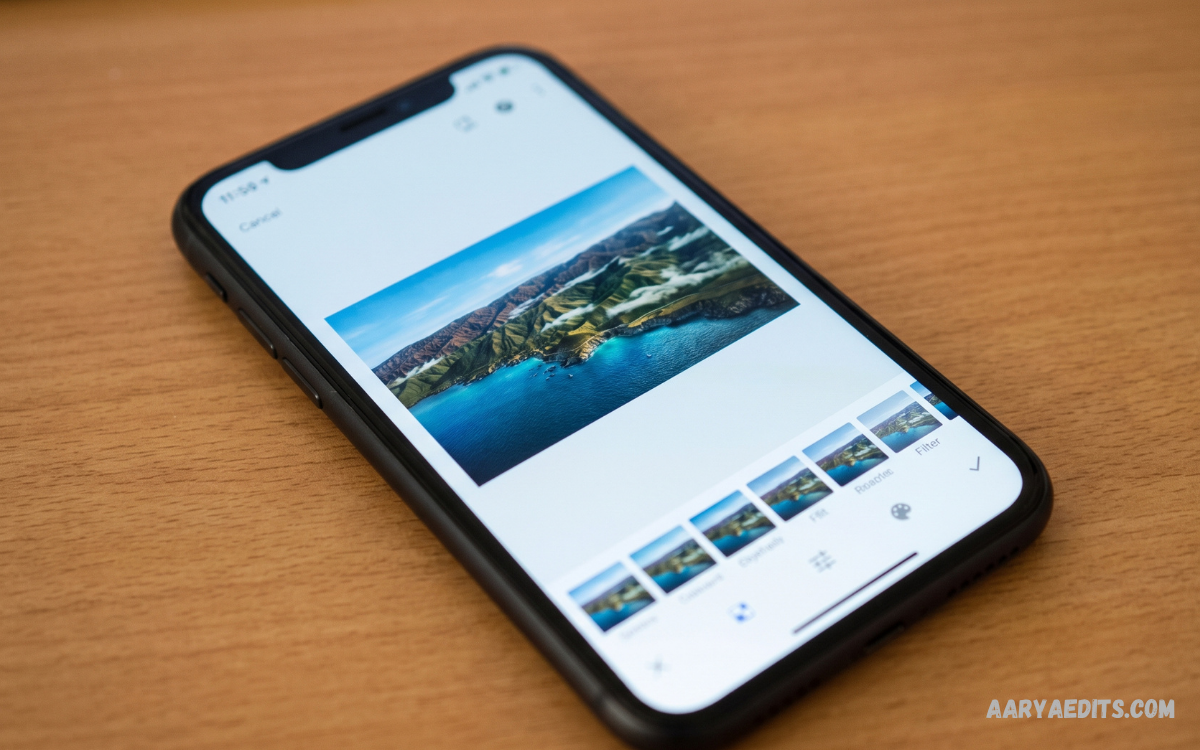
The Snapseed editing app is a powerful mobile photo editor designed for users who want professional-looking results without complicated editing software. Developed by Google, Snapseed provides a wide range of tools, filters, adjustment options, and creative features that make photo editing accessible on smartphones.
One of the biggest advantages of the Snapseed editing app is its combination of simplicity and advanced controls. Beginners can quickly improve photos using automatic adjustments and ready-made looks, while experienced users can manually control exposure, color, contrast, details, perspective, and other aspects of an image.
What Is the Snapseed Editing App?
Snapseed is a mobile photo editing application built around detailed image adjustments and creative editing tools. Unlike many basic photo editors that focus mainly on filters, Snapseed provides more precise controls for users who want to fine-tune individual aspects of their photographs. The interface is designed for touchscreens, allowing users to adjust settings through simple gestures.
The Snapseed editing app supports a broad range of editing tasks, from basic brightness and contrast corrections to more advanced selective adjustments. Its toolset makes it possible to transform ordinary photographs into polished images while maintaining control over the final appearance. This flexibility is one reason Snapseed has remained popular among mobile photographers.
Why Use Snapseed for Photo Editing?
Snapseed stands out because it offers many advanced editing capabilities in a mobile-friendly package. Users can crop images, correct perspective, improve colors, sharpen details, remove unwanted elements, and apply creative effects. The application is useful for both quick edits and detailed projects.
Another advantage is control. Instead of applying a single filter and accepting the result, users can customize individual settings according to the photograph. This approach makes the Snapseed editing app suitable for people who want their images to look natural rather than heavily processed.
Key Features of Snapseed
The Snapseed editing app includes a collection of tools designed for different photography requirements. These tools cover fundamental adjustments as well as creative effects. Understanding the main features can help users build a more effective editing workflow.
Snapseed also provides enough flexibility for users to develop their own editing style. You can combine several adjustments, compare different results, and refine individual areas of an image. This makes the application useful beyond basic social media editing.
Tune Image
Tune Image is one of the most useful tools for everyday editing. It allows users to adjust brightness, contrast, saturation, ambience, highlights, shadows, and warmth. These controls can dramatically improve an image when used carefully.
For example, a photograph that appears too dark can be brightened, while excessive highlights can be reduced to recover a more balanced appearance. Small changes to saturation and warmth can also help create a more natural final result.
Details
The Details tool focuses on improving texture and sharpness. It includes controls that can make important features appear clearer without requiring complicated editing techniques.
Sharpening can be useful for photographs that look slightly soft, while structure can emphasize texture. However, excessive sharpening may create an unnatural appearance, so moderate adjustments usually produce better results.
Curves
Curves provide more advanced control over brightness and contrast. Instead of changing the entire image with a single slider, users can manipulate different tonal areas through a curve.
This tool is particularly useful for experienced editors who want greater control over shadows, midtones, and highlights. Learning basic curve adjustments can significantly improve editing precision.
White Balance
White Balance helps correct unwanted color casts caused by different lighting conditions. A photograph taken under artificial lighting, for example, may appear unusually warm or cool.
With the White Balance tool, users can adjust temperature and tint to make colors appear more realistic. Accurate white balance is especially important for portraits, food photography, architecture, and product images.
Crop
The Crop tool lets users change the composition and dimensions of an image. It can be used to remove distracting areas or prepare photographs for different platforms.
Cropping can also improve composition by placing the primary subject in a stronger position within the frame. Choosing an appropriate aspect ratio can make the image easier to use for social media posts, profile images, or other digital content.
Rotate
Rotate allows users to correct the orientation of photographs. It is particularly helpful when an image has been captured at an incorrect angle.
Small rotations can also improve composition. A slightly tilted horizon can make an otherwise good photograph look unbalanced, so correcting it can produce a cleaner result.
Perspective
The Perspective tool is useful for correcting geometric distortion. Photographs of buildings, rooms, signs, and architectural subjects can sometimes appear tilted or stretched because of the camera angle.
Snapseed allows users to adjust perspective so that lines and structures appear more balanced. This feature can be especially valuable for architectural photography.
Healing
Healing is designed to remove small unwanted elements from photographs. Users can brush over a distracting area, and Snapseed attempts to blend it with surrounding content.
It can be useful for removing minor distractions such as small marks or objects in the background. Results depend on the complexity of the area being edited, so simple backgrounds generally produce better results.
Selective Adjustments
Selective editing allows users to target specific areas instead of changing the entire photograph. This is useful when one part of an image needs more brightness, contrast, or saturation.
For example, a photographer can brighten a subject while leaving the surrounding background relatively unchanged. This level of control can make edits look more natural and intentional.
Snapseed Filters and Creative Looks
The Snapseed editing app includes various creative looks that can quickly change the appearance of a photograph. These effects can be useful when users want a particular visual style without manually adjusting every setting.
However, professional-looking editing does not always require strong filters. Subtle adjustments often produce a more polished result. Users can apply a look and then modify other settings to create a style that better matches the original photograph.
RAW Photo Editing in Snapseed
RAW support is an important feature for photographers who want more control over their images. RAW files generally contain more image information than standard compressed formats, giving editors additional flexibility during processing.
The Snapseed editing app can be useful for adjusting exposure, white balance, highlights, shadows, and other characteristics of compatible RAW photographs. This makes it more suitable for photography workflows where maintaining editing flexibility is important.
RAW editing can require more storage and processing power than standard image editing. Users should also understand that the final exported image may use a different format depending on how it will be shared or published.
How to Edit Photos in Snapseed
Editing a photograph in Snapseed does not need to be complicated. Start by opening an image and examining its exposure, composition, colors, and overall balance. Before applying creative effects, correct obvious problems such as poor brightness or incorrect orientation.
Next, make gradual adjustments using tools such as Tune Image, White Balance, Details, and Curves. After completing the basic corrections, consider using selective adjustments or creative effects. Reviewing the photograph at different stages can help prevent excessive editing.
Step 1: Import Your Photo
Begin by opening Snapseed and selecting the photograph you want to edit. Choose an image that contains enough detail and has reasonable exposure when possible.
Once the photograph is loaded, take a moment to identify what needs improvement. This simple step can prevent unnecessary adjustments and help you create a more consistent editing process.
Step 2: Correct Brightness and Contrast
Start with basic tonal adjustments. Use Tune Image to improve brightness and contrast while keeping important details visible.
Avoid making shadows completely black or highlights completely white unless that is an intentional creative choice. Balanced tonal adjustments generally help photographs retain a natural appearance.
Step 3: Adjust Color
After exposure is corrected, work on saturation, warmth, and white balance. Color adjustments should support the subject rather than overpower it.
If a photograph already has strong colors, a small reduction in saturation may produce a more refined appearance. For muted images, a moderate increase can add energy without making the image look artificial.
Step 4: Improve Details
Use the Details tool to enhance clarity and texture when necessary. Portraits, landscapes, architecture, and product images can benefit from carefully controlled detail adjustments.
The goal should be clarity rather than excessive sharpness. Zooming out periodically can help you judge whether the effect improves the complete photograph.
Step 5: Fix Composition
Use Crop, Rotate, and Perspective when necessary. Removing distracting edges or correcting a tilted horizon can make a significant difference.
Good composition often has a greater impact than heavy effects. Before adding creative filters, make sure the framing supports the main subject.
Step 6: Apply Selective Editing
Selective adjustments can help direct attention toward important areas. Brightening a subject slightly or reducing distracting background elements can create stronger visual focus.
Because selective editing affects specific areas, it should be applied carefully. Large or obvious differences between edited and unedited areas can make the photograph appear unnatural.
Step 7: Add a Creative Style
Once the technical corrections are complete, experiment with Snapseed’s creative tools. Try different looks and effects to see which style complements the photograph.
Creative effects work best when they support the subject and purpose of the image. A travel photograph, portrait, food image, and architectural photograph may each benefit from different editing choices.
Step 8: Review and Export
Before saving the final image, review the entire photograph carefully. Look for excessive saturation, unrealistic contrast, unwanted artifacts, or distracting effects.
When the result looks balanced, export the image using an appropriate quality and format for your intended use. Keep the original photograph available if you may want to create another version later.
Snapseed for Portrait Editing
The Snapseed editing app can be useful for portrait photography because it provides several tools for improving exposure, color, details, and selective areas. Portrait editing should generally focus on maintaining natural skin tones and balanced lighting.
Selective adjustments can help emphasize the subject without dramatically changing the background. Subtle improvements to brightness and contrast can also make portraits look cleaner while preserving the original character of the photograph.
Snapseed for Landscape Photography
Landscape photographs often benefit from improvements to contrast, color, highlights, shadows, and details. Snapseed provides tools that can help bring out the visual depth of outdoor scenes.
Curves and Tune Image can be combined to improve tonal balance, while Details can emphasize textures such as rocks, buildings, or natural surfaces. Moderate saturation can enhance scenery without creating unrealistic colors.
Snapseed for Social Media Photos
Social media photographs often need strong composition, clear colors, and appropriate dimensions. Snapseed can help prepare images before posting by correcting exposure, cropping the frame, and improving overall visual consistency.
Instead of applying the same filter to every photograph, users can create a consistent editing approach based on brightness, warmth, contrast, and color. This can help maintain a recognizable visual style across different images.
Snapseed for Product Photography
Product photographs require clean presentation and accurate colors. The Snapseed editing app can assist with brightness, contrast, white balance, cropping, and perspective corrections.
Accurate color should remain a priority because excessive saturation can change the appearance of a product. Perspective correction can also help images of objects, packaging, or flat surfaces appear more professional.
Snapseed vs Basic Mobile Editors
Many mobile photo editors are designed primarily around filters and quick effects. Snapseed provides a wider selection of manual adjustment tools, making it more suitable for users who want greater control over their photographs.
This does not mean every image requires advanced editing. For quick social media content, a simple filter may be enough. For users who want to understand and control exposure, color, composition, and details, Snapseed offers a deeper editing experience.
Advantages of the Snapseed Editing App
One major advantage is its broad collection of editing tools. Users can handle many common photography tasks from a single application rather than moving between multiple editors.
Another benefit is the balance between accessibility and control. Beginners can start with simple adjustments, while more experienced users can explore features such as Curves, selective editing, perspective correction, and RAW processing.
Limitations to Consider
Although the Snapseed editing app offers many powerful features, it may not replace full desktop photo-editing software for every professional workflow. Desktop applications can provide more extensive asset management, advanced masking, batch processing, and specialized professional tools.
Mobile editing can also depend on the capabilities of the smartphone. Larger photographs and RAW files may require more processing power and storage. Users working with extensive photo libraries may eventually need additional software for organization and long-term workflow management.
Tips for Better Snapseed Editing
The best approach is to make small adjustments and evaluate their effect before continuing. Large changes can quickly make photographs appear unnatural, especially with saturation, sharpening, and contrast.
Another useful habit is to edit according to the photograph rather than following a fixed formula. Every image has different lighting, colors, composition, and subject matter. A flexible workflow usually produces better results than applying identical settings to every photograph.
Avoid Over-Editing
One of the most common mobile editing mistakes is applying too many effects. High saturation, excessive sharpness, strong contrast, and dramatic filters can reduce image quality and make photographs appear artificial.
A professional approach often involves knowing when to stop. If an adjustment is immediately noticeable but does not improve the photograph, consider reducing its strength. The best edit is often the one that improves the image while preserving its natural character.
Read Also: Snapseed Photo Editor App: Complete Guide to Professional Photo Editing
Use Selective Editing Carefully
Selective adjustments are powerful because they allow users to control specific areas. However, they should blend naturally with the surrounding image.
When editing a selected area, gradually adjust brightness, contrast, or saturation and then view the entire photograph. This helps ensure that the edited region does not appear disconnected from the rest of the image.
Experiment With Curves
Curves can initially appear complicated, but they become easier with practice. The tool provides precise control over tonal areas and can help create different levels of contrast.
Beginners can start with small adjustments rather than dramatic curves. Over time, understanding how different parts of the curve affect shadows, midtones, and highlights can make editing more precise.
Maintain Original Photos
Always keep the original photograph when possible. Having an untouched copy allows you to create new edits later or return to the starting point if your editing style changes.
Maintaining originals is particularly useful when working with important photographs. Different platforms and projects may require different crops, dimensions, or color treatments, so preserving the source image provides greater flexibility.
Is Snapseed Good for Beginners?
Yes, Snapseed can be a strong choice for beginners because many tools are straightforward to understand. Users can start with basic controls such as brightness, contrast, saturation, crop, and rotation.
As their skills improve, they can gradually explore more advanced tools. This learning curve allows beginners to start simply without preventing them from developing more advanced editing techniques later.
Is Snapseed Good for Advanced Users?
Advanced users can benefit from Snapseed when they need detailed mobile editing. Tools such as Curves, Selective adjustments, Perspective, Healing, and RAW processing provide greater control than basic filter applications.
However, photographers with highly specialized professional workflows may still prefer desktop software for advanced catalog management, extensive masking, batch processing, and other professional requirements. Snapseed works particularly well as a capable mobile editing solution.
Snapseed Editing Workflow for Better Results
A reliable workflow can make photo editing faster and more consistent. Start with composition, then correct exposure and white balance before moving toward color and detail adjustments.
After technical corrections, apply selective edits and creative effects only when needed. Finally, review the complete image at normal viewing size and export the finished version. This order helps prevent unnecessary editing and keeps the process organized.
Common Snapseed Editing Mistakes
A common mistake is increasing saturation too much. Although stronger colors may initially look attractive, excessive saturation can remove natural color relationships and reduce image realism.
Another mistake is excessive sharpening. Details should enhance the photograph rather than create visible artifacts. Users should also avoid making every photograph follow the same editing formula because different lighting conditions require different adjustments.
Best Uses for Snapseed
The Snapseed editing app can be useful for many types of photography, including:
- Portrait photography
- Landscape photography
- Travel photography
- Street photography
- Food photography
- Product photography
- Architecture photography
- Social media images
- Creative mobile photography
- RAW photo adjustments
Its broad toolset makes it suitable for users with different levels of photography experience. Whether you need a quick correction or a detailed edit, Snapseed can provide tools for the task.
Frequently Asked Questions
What is the Snapseed editing app?
The Snapseed editing app is a mobile photo editor that provides professional tools for adjusting brightness, contrast, colors, details, perspective, and other image elements. It is suitable for beginners and experienced mobile photographers.
Is Snapseed suitable for beginners?
Yes, Snapseed is beginner-friendly while offering advanced controls for users who want more editing flexibility. Beginners can start with basic adjustments and gradually learn advanced features.
Can Snapseed edit RAW photos?
Yes, Snapseed supports RAW photo editing on compatible devices. Users can adjust exposure, highlights, shadows, white balance, and other image characteristics for greater control.
Does Snapseed provide photo filters?
Yes, Snapseed includes creative looks and effects that can quickly change the appearance of photographs. Users can customize their edits instead of relying entirely on preset filters.
Can Snapseed remove unwanted objects?
Snapseed includes a Healing tool that can help remove small unwanted elements from photographs. Results are generally better when the unwanted area has a simple or consistent background.
Is Snapseed useful for social media photos?
Yes, Snapseed can prepare photographs for social media by improving colors, brightness, composition, sharpness, and framing. Its crop and adjustment tools are particularly useful for creating polished images.
Can Snapseed improve portrait photos?
Yes, Snapseed offers tools for improving portrait exposure, color, details, and selected areas. Subtle adjustments can help maintain a natural appearance while enhancing the overall photograph.
Can Snapseed correct photo perspective?
Yes, the Perspective tool can help correct tilted or distorted images. It can be particularly useful for architecture, buildings, documents, and photographs captured from unusual angles.
Is Snapseed good for professional photo editing?
Snapseed provides many advanced mobile editing tools and can produce professional-looking results. However, photographers with complex workflows may still prefer desktop software for advanced masking, batch processing, and extensive photo management.
Why is Snapseed popular among mobile photographers?
Snapseed combines an easy-to-use interface with detailed editing controls. Its range of adjustment tools, creative effects, selective editing capabilities, and RAW support makes it a versatile option for mobile photography.
Conclusion
The Snapseed editing app remains a strong option for mobile photographers who want more control than basic filter-based applications provide. Its combination of manual adjustments, creative tools, selective editing, perspective correction, and RAW support makes it versatile for everyday photography and more advanced projects.
The key to getting professional-looking results is not using every available feature. Instead, focus on accurate exposure, balanced color, clean composition, controlled details, and subtle creative adjustments. With regular practice, Snapseed can become a valuable part of a mobile photography workflow and help users produce polished images directly from their smartphones.
