
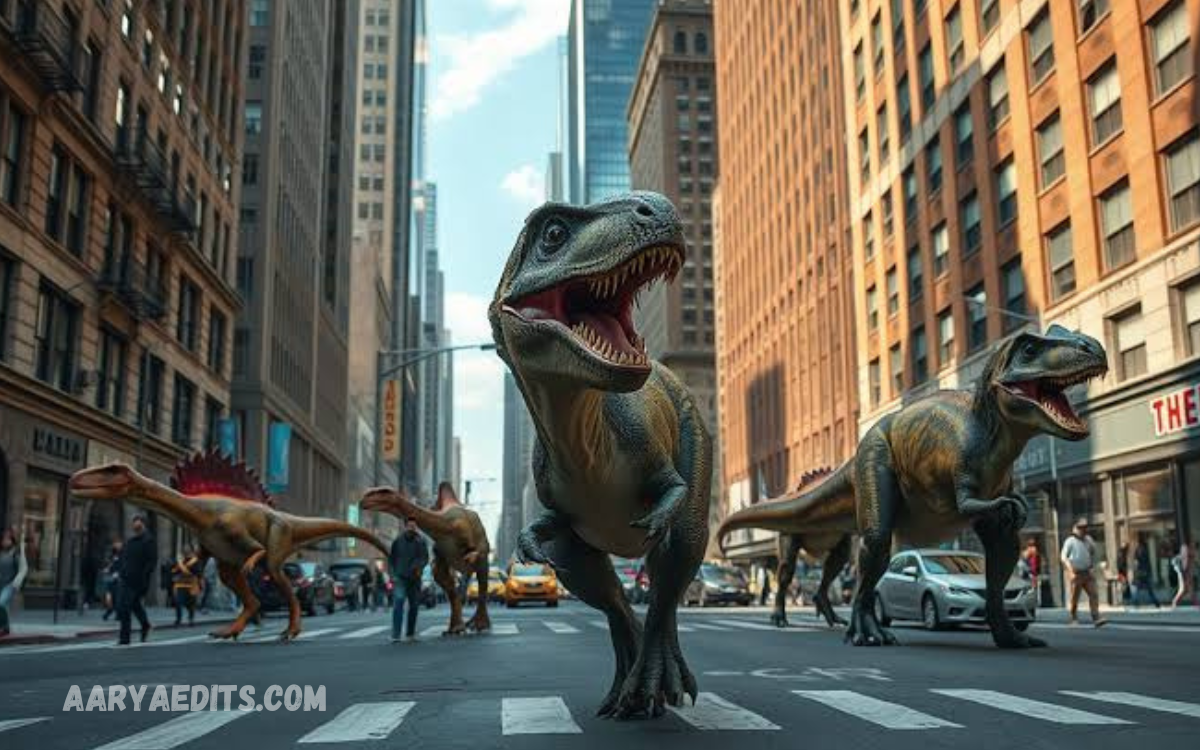
Advanced AI image generation and editing is transforming the way people create, enhance, and customize visual content. Powered by sophisticated artificial intelligence and machine learning models, modern AI tools can generate realistic images from simple text prompts, modify existing photos, remove unwanted objects, improve image quality, and create entirely new visual concepts within seconds.
These technologies are making professional-level image creation more accessible to designers, marketers, photographers, content creators, and everyday users. Unlike traditional editing software, AI-powered platforms can understand natural-language instructions and automatically perform complex tasks that once required advanced technical skills.
What Is Advanced AI Image Generation and Editing?
Advanced AI Image Generation and Editing refers to the use of artificial intelligence to create new images or modify existing visual content. Generation systems can interpret text prompts and produce images based on descriptions, while editing systems can understand elements within an image and make targeted changes without requiring extensive manual work.
These technologies can perform tasks such as background replacement, object removal, image expansion, color enhancement, style transformation, restoration, and resolution improvement. More advanced platforms can preserve important visual details while changing specific elements, allowing users to achieve professional-looking results with fewer editing steps.
How AI Image Generation Works
AI image generation typically begins with a prompt describing the desired image. The system analyzes the language, identifies important concepts such as subjects, environments, styles, lighting, and composition, and then generates visual information based on patterns learned during model training.
Modern generative models can create detailed scenes by understanding relationships between objects, colors, textures, and environments. Users can improve results by providing clearer descriptions and specifying details such as perspective, mood, composition, image format, and artistic direction. This makes prompting an important creative skill in AI-assisted image production.
Advanced AI Image Editing Capabilities
One of the biggest advantages of Advanced AI Image Generation and Editing is the ability to make precise changes to existing images. AI editing tools can identify objects, people, backgrounds, and other visual elements, allowing users to modify selected areas without rebuilding the entire image.
Common capabilities include removing unwanted objects, replacing backgrounds, enhancing facial details, correcting lighting, sharpening blurry images, restoring damaged photographs, and expanding images beyond their original boundaries. These automated functions can significantly reduce the time required for repetitive editing tasks while giving creators more freedom to experiment.
AI-Powered Background Removal and Replacement
Background removal is a common requirement for product photography, advertising, e-commerce, social media, and graphic design. AI systems can automatically distinguish the primary subject from its surroundings and separate it from the background without requiring users to manually trace complex edges.
After removing a background, creators can place the subject into a completely different environment. A product can be displayed in a studio setting, a person can appear in a new location, or an object can be positioned within a creative composition. This flexibility makes AI-assisted background editing useful across many industries.
Image Enhancement and Restoration
AI-based enhancement can improve the appearance of low-quality images by increasing sharpness, reducing noise, correcting exposure, and recovering certain visual details. These features are especially useful when an original photograph has poor lighting, compression artifacts, or limited resolution.
Restoration is another important application. AI can help repair old photographs by reducing scratches, improving contrast, restoring faded details, and enhancing overall clarity. While results vary depending on the source image and tool, automated restoration can provide a convenient starting point for preserving valuable visual memories.
AI Image Editing for Business
Businesses increasingly use AI image tools to produce marketing materials, advertisements, product visuals, website graphics, and social media content. Instead of creating every visual asset manually, teams can use AI to explore multiple concepts and quickly develop variations for different campaigns.
For e-commerce businesses, AI can also help create consistent product imagery and promotional designs. Marketing teams can experiment with different backgrounds, layouts, visual styles, and compositions without arranging an entirely new photo session for every concept. This can support faster content production while maintaining greater creative flexibility.
Read Also: Lightroom MOD APK 2026: Unlock Premium Photo Editing Features for Professional Results
AI for Social Media Content
Social media platforms require a continuous supply of engaging visual content. Advanced AI Image Generation and Editing can help creators develop post graphics, promotional images, thumbnails, banners, and other visual assets more efficiently.
Creators can generate different visual concepts for specific campaigns and adapt existing images to different formats. AI editing can also help remove distractions, improve image quality, change backgrounds, or create variations of a successful design. This makes AI especially valuable for creators who need to publish content regularly.
Benefits of Advanced AI Image Generation and Editing
One major benefit is efficiency. Traditional image creation and editing can require significant time, especially when a project involves multiple revisions. AI can automate many repetitive processes and help users move from an initial concept to a usable visual much faster.
Another benefit is creative experimentation. Users can explore ideas that may be difficult or expensive to produce through traditional photography or design methods. AI makes it possible to test different compositions, environments, styles, and concepts before deciding which direction is most suitable for the final project.
Improving Creative Workflows With AI
AI works best when it supports human creativity rather than completely replacing it. A professional workflow can begin with a human-generated concept, followed by AI-assisted generation, editing, enhancement, and refinement. The creator can then review the output and make final adjustments according to the project’s goals.
Combining human judgment with AI automation can create an efficient production process. AI can handle repetitive operations and provide creative alternatives, while humans remain responsible for visual direction, quality control, brand consistency, and the final decision. This balance can produce better results than relying entirely on automated generation.
Challenges and Limitations
Despite rapid improvements, AI image generation and editing still have limitations. Generated images may contain incorrect details, unusual proportions, inconsistent objects, or visual elements that do not match the original request. Results can also vary depending on the quality and specificity of the instructions.
Another challenge involves consistency. Creating the same character, product, or visual identity across many images can require careful prompting and additional editing. Professionals should therefore review AI-generated content carefully before publishing it, particularly for commercial projects where accuracy and brand representation are important.
Ethical and Responsible AI Image Use
Responsible use is an important part of Advanced AI Image Generation and Editing. Users should consider copyright, privacy, consent, authenticity, and the potential impact of manipulated images. AI-generated visuals should not be used to deceive audiences, impersonate individuals, or misrepresent real events.
Businesses and creators should also consider whether disclosure is appropriate when AI has substantially contributed to visual content. Maintaining transparency and respecting intellectual property can help build trust. As AI technology develops, responsible creative practices will become increasingly important for individuals and organizations.
The Future of AI Image Generation and Editing
The future of AI-powered visual creation is expected to become more interactive and precise. Instead of simply generating an image from a prompt, future systems may provide greater control over individual objects, camera angles, lighting, materials, expressions, and environments while maintaining consistency throughout the entire composition.
AI image tools are also likely to become more integrated into everyday creative software and professional workflows. As models improve their understanding of context and visual relationships, creators may be able to produce sophisticated content through increasingly natural conversations and instructions.
Tips for Better AI Image Results
Clear instructions are essential for achieving useful AI-generated visuals. Users should describe the main subject, environment, composition, lighting, perspective, style, and important details when necessary. Specific prompts generally provide more direction than short and ambiguous descriptions.
It is also helpful to refine results gradually instead of expecting perfection from a single generation. Start with the core concept, review the output, identify problems, and adjust the instructions accordingly. Combining generation with AI editing and traditional design tools can further improve the final result.
Who Can Benefit From AI Image Technology?
Graphic designers, photographers, marketers, entrepreneurs, content creators, educators, publishers, and businesses can all benefit from AI-powered visual tools. The technology can help professionals develop concepts, produce variations, enhance existing assets, and complete routine editing tasks more efficiently.
Beginners can also benefit because AI reduces some of the technical barriers associated with image creation. While professional design knowledge remains valuable, users can now experiment with sophisticated visual concepts without mastering every traditional editing technique.
Frequently Asked Questions
What is Advanced AI Image Generation and Editing?
Advanced AI Image Generation and Editing uses artificial intelligence to create new images and modify existing visuals. It can automate tasks such as generation, enhancement, background changes, object removal, restoration, and creative transformation.
Can AI create images from text?
Yes. Many AI image systems can interpret written prompts and generate visuals based on descriptions. Users can specify subjects, environments, styles, lighting, compositions, and other details to guide the generation process.
Can AI edit existing photographs?
Yes. AI-powered editing can modify existing photographs by removing objects, replacing backgrounds, improving image quality, adjusting visual elements, and performing other automated enhancements.
Is AI image generation useful for businesses?
AI image generation can be valuable for businesses that need marketing graphics, product visuals, advertisements, social media content, and creative concepts. It can help teams explore ideas and produce visual assets more efficiently.
Can AI improve low-quality images?
AI enhancement tools can often improve sharpness, reduce noise, increase apparent detail, and correct certain visual issues. However, results depend on the quality and characteristics of the original image.
Can AI remove objects from photos?
Yes. Many AI editing systems can identify unwanted objects and reconstruct the surrounding area to create a more natural-looking result. The effectiveness depends on the image complexity and the object being removed.
Does AI replace professional designers?
AI does not necessarily replace professional designers. Instead, it can function as a creative assistant that handles repetitive tasks and generates ideas while designers provide creative direction, judgment, branding, and final quality control.
How can users get better AI-generated images?
Users can improve results by writing detailed prompts, specifying important visual characteristics, reviewing generated results, and refining instructions. Combining AI generation with additional editing can also improve the final image.
Are AI-generated images always accurate?
No. AI-generated images can sometimes contain incorrect details, inconsistent objects, distorted features, or other errors. Important images should always be reviewed carefully before being used publicly or commercially.
What is the future of AI image editing?
The future will likely involve more precise controls, better consistency, improved realism, faster generation, and deeper integration with creative software. AI image editing is expected to become an increasingly common part of professional visual workflows.
Conclusion
Advanced AI Image Generation and Editing is reshaping digital creativity by making sophisticated image creation and modification faster, more accessible, and more flexible. From generating original concepts to enhancing photographs, replacing backgrounds, restoring old images, and developing marketing visuals, AI offers a wide range of practical applications.
The most effective approach is to combine artificial intelligence with human creativity and professional judgment.
