

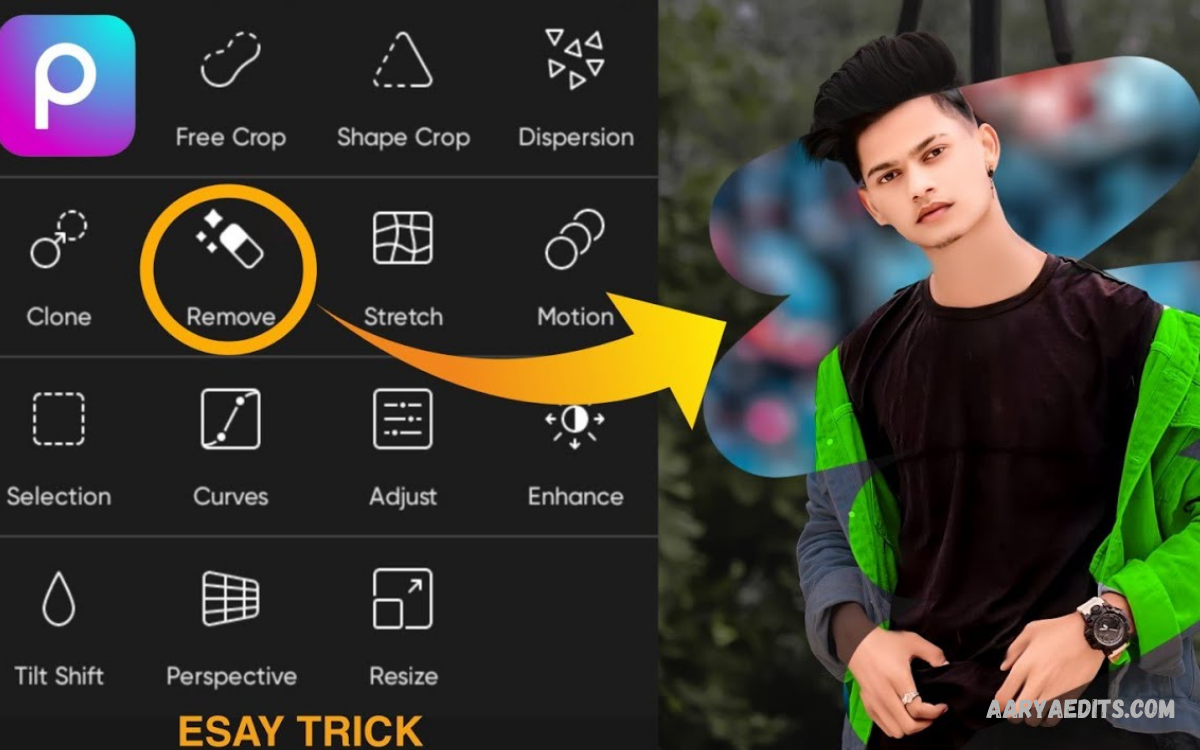
PicsArt Editing has become a popular approach for creating attractive, creative, and polished visuals using a smartphone. The platform combines photo editing, graphic design, filters, effects, stickers, drawing tools, and creative templates in one convenient workspace.
Whether you are a beginner, content creator, social media user, or aspiring designer, learning PicsArt Editing can help transform ordinary photographs into engaging visual content. With the right techniques, simple images can gain better composition, color balance, detail, and visual impact.
What Is PicsArt Editing?
PicsArt Editing refers to the process of enhancing, modifying, designing, and transforming photographs or graphics using PicsArt’s collection of creative tools. Users can crop images, adjust colors, apply effects, remove backgrounds, add text, create collages, and combine multiple visual elements.
The main advantage of PicsArt Editing is its flexible workflow. Instead of depending on a single editing technique, users can combine adjustments, layers, masks, effects, brushes, stickers, and typography to create different visual styles for personal projects, social media posts, thumbnails, wallpapers, and creative artwork.
Why PicsArt Editing Is Popular
PicsArt Editing is popular because it provides many creative functions within a mobile-friendly editing environment. Beginners can start with simple filters and adjustments, while experienced users can explore layers, blending, masking, drawing, advanced effects, and detailed composition techniques.
Another reason for its popularity is creative flexibility. A single photograph can become a portrait design, promotional graphic, social media post, poster, collage, or artistic composition. This flexibility makes PicsArt Editing useful for people with different creative goals and skill levels.
PicsArt Editing Tools
PicsArt includes several tools designed for different editing requirements. Basic tools can handle cropping, resizing, rotation, brightness, contrast, saturation, sharpness, and other adjustments, while creative tools support effects, stickers, text, drawing, cutouts, and artistic transformations.
Understanding what each tool does is important before creating complex edits. Instead of applying every available effect, editors can select tools according to the image and desired result. A controlled workflow generally produces cleaner visuals than excessive editing.
Basic PicsArt Editing Techniques
Beginners should start with basic adjustments before experimenting with advanced effects. Cropping can improve composition, brightness can correct exposure, contrast can improve separation, and saturation can enhance color when used carefully.
A simple editing workflow can include cropping the image, correcting exposure, adjusting contrast, improving color, applying a subtle effect, and sharpening important details. These steps create a strong foundation before adding decorative elements or creative effects.
Color Adjustment in PicsArt Editing
Color adjustment plays an important role in PicsArt Editing because color strongly affects how an image feels. Bright, vibrant colors can create an energetic appearance, while softer tones can produce a calm and cinematic visual style.
Users can experiment with brightness, contrast, highlights, shadows, temperature, saturation, and other available adjustments. The goal should be consistency rather than maximum intensity. Excessive saturation or contrast can make photographs appear unnatural and reduce important details.
Using Filters Effectively
Filters provide a quick way to change the overall appearance of a photograph. They can create warmer tones, cooler colors, vintage appearances, cinematic moods, or artistic effects without requiring extensive manual adjustments.
Professional-looking PicsArt Editing usually benefits from moderation. Applying a strong filter at full intensity may overpower the original photograph. Reducing filter strength and combining it with manual color adjustments can provide a more balanced result.
PicsArt Editing With Effects
Effects can dramatically change an image and help create distinctive visual content. PicsArt offers creative effects that can introduce artistic textures, distortions, lighting changes, motion-style appearances, and other visual transformations.
When using effects, consider the subject and purpose of the image. An effect should support the composition rather than distract from the main subject. Combining one or two complementary effects can often produce a cleaner result than stacking many unrelated effects.
Background Removal
Background removal is one of the useful techniques available for creative photo editing. Removing an unwanted background allows users to isolate a person, object, or other subject and place it into a new composition.
After removing a background, attention should be given to edges and lighting. A subject placed onto a new background should appear visually connected to the scene. Matching brightness, color temperature, shadows, and perspective can make the composition look more natural.
Creating Photo Collages
Photo collages allow multiple photographs to appear within one composition. They can be useful for travel memories, event collections, product presentations, social media posts, portfolios, and creative storytelling.
A successful collage needs visual organization. Consistent spacing, suitable image proportions, and a clear focal point can prevent the design from looking crowded. Users can also use backgrounds, borders, text, and subtle decorative elements to strengthen the overall composition.
PicsArt Editing for Social Media
Social media content often requires strong visual presentation because users scroll quickly through large amounts of content. PicsArt Editing can help create posts, profile graphics, story designs, promotional images, and other visual assets.
Different platforms may use different dimensions and layouts, so users should consider the final publishing format before starting an edit. Keeping important subjects and text away from edges can also help maintain a clean appearance after cropping or resizing.
PicsArt Editing for Instagram Posts
Instagram content can benefit from consistent visual styling. PicsArt Editing allows creators to develop recognizable color tones, typography, layouts, and graphic elements across multiple posts.
For portrait photography, creators can focus on skin tone consistency, background cleanup, lighting, and subtle color correction. For graphic posts, typography, spacing, alignment, and hierarchy become more important than photographic adjustments.
PicsArt Editing for YouTube Thumbnails
Thumbnails require clear visual communication at small sizes. PicsArt Editing can be used to enhance subjects, create bold backgrounds, add readable text, and arrange multiple elements into a recognizable composition.
A useful thumbnail design normally emphasizes one main idea instead of filling the canvas with too many elements. Strong subject placement, readable typography, sufficient contrast, and clear visual hierarchy can make the design easier to understand.
PicsArt Editing for Profile Pictures
Profile pictures are usually displayed at relatively small sizes, so the main subject needs to remain recognizable. PicsArt Editing can help improve lighting, remove distractions, adjust the background, and create a consistent visual style.
When editing a profile image, avoid adding unnecessary details around the face or main subject. A simple background, balanced exposure, and appropriate crop can create a cleaner appearance across different social platforms.
Portrait Editing With PicsArt
Portrait editing requires careful attention because aggressive adjustments can remove natural details. PicsArt Editing provides tools for correcting lighting, improving colors, cleaning distractions, and applying creative effects.
A professional portrait workflow should preserve realistic skin tones and important facial details. Small improvements to exposure, contrast, color, and background can often make a greater difference than heavy effects or excessive smoothing.
Creative Backgrounds
Creative backgrounds can completely change the context of an image. Users can combine subjects with landscapes, gradients, textures, abstract graphics, or other visual elements to create imaginative compositions.
Successful background replacement requires attention to scale and lighting. The subject should have a believable size and position within the new scene. Similar lighting direction and compatible colors can also help different elements appear visually connected.
Text and Typography
Text can turn an edited photograph into a poster, announcement, quote graphic, promotional design, or social media visual. PicsArt provides options for adding and customizing text with different fonts, sizes, alignments, and visual treatments.
Typography should remain readable and support the image rather than compete with it. Choosing a suitable font, maintaining adequate spacing, and creating contrast between text and background can make a design easier to understand.
Stickers and Decorative Elements
Stickers can add personality to creative edits. They can be used for casual social content, themed designs, posters, collages, and decorative compositions.
However, excessive stickers can make an image visually crowded. A better approach is to select elements that match the subject, color palette, and purpose of the design. Consistent visual elements can create stronger compositions.
Drawing Tools in PicsArt Editing
Drawing tools allow users to create custom marks, illustrations, highlights, outlines, and artistic elements. This feature can be especially useful when a standard filter does not provide the desired visual effect.
Users can combine drawing with photographs to create personalized artwork. Brush size, opacity, placement, and layering can be adjusted according to the composition. Practicing on separate layers can also make experimentation easier.
Layer-Based Editing
Layers provide greater control when multiple visual elements are combined. Instead of permanently changing the entire composition, users can work with separate elements and modify them individually.
A layer-based workflow is useful for complex edits because individual components can be repositioned, adjusted, hidden, or removed without rebuilding the entire design. Organizing the composition logically can make the editing process more efficient.
Blending and Opacity
Blending techniques can combine images, textures, colors, and effects into a unified composition. Opacity controls how strongly one visual element appears over another, providing more control over the final appearance.
Subtle blending often creates more natural results. For example, a texture can be reduced in opacity so it adds atmosphere without covering important details. Experimenting with different blending approaches can help create unique visual styles.
Creating Cinematic Edits
Cinematic PicsArt Editing often focuses on mood, contrast, color grading, composition, and atmospheric elements. Users can experiment with darker tones, controlled highlights, balanced shadows, and carefully selected effects.
Cinematic design does not require making every image extremely dark or saturated. The strongest results usually come from consistent color treatment and intentional composition. Adding unnecessary effects can reduce the cinematic feeling rather than improve it.
Vintage Photo Editing
Vintage-style edits can recreate the visual character of older photographs through muted colors, grain, faded tones, and warm or cool color treatments. PicsArt provides creative options that can support this aesthetic.
The key is maintaining consistency between the effect and the original photograph. A subtle vintage treatment can preserve details while adding atmosphere. Excessive grain, fading, or color shifts can make the image look less refined.
Read Also: I Tried 10+ AI Image Editing Tools Make 2026
Double Exposure Effects
Double exposure combines two visual elements to create an artistic composition. A portrait can be blended with landscapes, architecture, textures, or abstract imagery to produce a distinctive effect.
Creating a strong double exposure requires careful selection of source images. High-contrast subjects and compatible compositions often make the technique easier. Masking and opacity adjustments can then help control which areas remain visible.
Removing Unwanted Objects
Unwanted objects can distract attention from the main subject. PicsArt Editing can help users clean up photographs by removing or covering selected distractions where suitable tools are available.
Object removal works best when the surrounding background is relatively simple. Complex textures, repeated patterns, and crowded scenes may require more careful editing. After removal, users should inspect the area for visible inconsistencies.
Improving Image Quality
Image quality can sometimes be improved through careful exposure, contrast, sharpness, and detail adjustments. However, editing cannot fully restore information that was never captured in a low-quality source image.
Starting with the highest-quality original photograph is therefore important. Avoid repeatedly saving and recompressing the same image, and export using settings appropriate for the final platform or purpose.
PicsArt Editing for Beginners
Beginners should avoid trying every tool at once. Learning the basic workflow first makes it easier to understand how individual adjustments affect the image.
A practical starting sequence is crop, exposure correction, color adjustment, effect selection, detail enhancement, and final review. Once these steps become familiar, users can gradually introduce layers, masking, blending, typography, and more advanced creative techniques.
Common PicsArt Editing Mistakes
One common mistake is excessive editing. Strong filters, extreme saturation, heavy sharpening, and too many decorative elements can reduce image quality and create an unnatural appearance.
Another mistake is ignoring composition. Even technically enhanced images can look weak when subjects are poorly positioned or text is difficult to read. Editing should improve the underlying composition instead of attempting to hide structural problems.
How to Create Professional PicsArt Edits
Professional PicsArt Editing begins with a clear concept. Before applying tools, determine the purpose of the image, identify the main subject, and decide what visual style fits the project.
The next step is controlled execution. Make adjustments gradually, compare the edited version with the original, and remove effects that do not contribute to the final composition. Consistency, restraint, and attention to detail are important qualities in polished visual work.
PicsArt Editing Workflow
A structured workflow can make editing faster and more consistent. Start by selecting a high-quality source image, then crop it according to the final format and correct major exposure or color problems.
After basic corrections, work on creative elements such as backgrounds, effects, text, stickers, or overlays. Finish by checking alignment, edges, colors, readability, and overall balance before exporting the final image.
Tips for Better PicsArt Editing
Use high-resolution source images whenever possible because they provide more information for cropping and adjustments. Keep the main subject clear and avoid adding elements that do not support the purpose of the composition.
Save your work carefully and review the final image at different zoom levels. Small alignment problems or distracting edges can become obvious during a final inspection. A short review before export can significantly improve the finished result.
PicsArt Editing for Content Creators
Content creators can use PicsArt Editing to develop visual assets for posts, stories, thumbnails, announcements, banners, and promotional campaigns. Consistent typography and color treatment can help create a recognizable visual identity.
Creators can also develop reusable editing workflows. Saving preferred techniques, templates, layouts, and design patterns can reduce production time while maintaining consistency across multiple pieces of content.
PicsArt Editing for Small Businesses
Small businesses can use mobile editing tools to create product graphics, promotional posts, sale announcements, informational designs, and branded social media content. Professional-looking visuals can help present products more clearly.
Brand consistency is important when creating business graphics. Using consistent fonts, colors, spacing, and logo placement can make different designs appear connected. Product photographs should remain accurate so customers receive a clear representation.
Mobile-Friendly Editing
One of the major advantages of PicsArt Editing is the ability to work directly from a mobile device. Users can capture a photograph, edit it, add design elements, and prepare it for publishing without needing a desktop computer.
Mobile editing also makes experimentation convenient. Users can practice different compositions and effects whenever they have time. Regular practice can gradually improve familiarity with editing tools and visual design principles.
Final Export Tips
Before exporting an edited image, check the final dimensions, sharpness, text readability, and overall color balance. Make sure important elements are positioned correctly for the intended platform.
Choose an appropriate file format and quality level for the final use. Social media images, website graphics, thumbnails, and print-oriented designs may require different dimensions or quality settings. Keeping the original project available can also help with future revisions.
Frequently Asked Questions
Is PicsArt Editing Good for Beginners?
Yes, PicsArt Editing can be suitable for beginners because basic tools are relatively easy to understand while advanced features provide room for learning. Beginners can start with cropping, brightness, contrast, color adjustments, filters, and simple text.
Can PicsArt Be Used for Professional Editing?
PicsArt can support many professional-style creative projects, especially social media graphics, promotional visuals, thumbnails, collages, and artistic compositions. The final quality depends heavily on the source image, editing decisions, composition, and export settings.
How Can I Make PicsArt Editing Look Natural?
Use adjustments gradually and avoid excessive filters, saturation, sharpening, or smoothing. Compare the edited photograph with the original and reduce any effect that makes the subject appear unnatural.
Can PicsArt Remove Backgrounds?
PicsArt provides background and cutout-related editing features that can help isolate subjects from backgrounds. Results can vary depending on image complexity, edges, lighting, and the subject itself.
Can PicsArt Create Social Media Designs?
Yes. PicsArt can be used for different social media graphics, including posts, stories, profile images, promotional designs, collages, and other visual content. Selecting the correct canvas dimensions is important for each publishing format.
Is PicsArt Useful for Photo Collages?
PicsArt is useful for creating collages because multiple photographs can be arranged within one composition. Users can combine layouts with backgrounds, borders, text, stickers, and other creative elements.
How Do I Improve My PicsArt Editing Skills?
Practice regularly and learn one editing technique at a time. Studying composition, color, typography, lighting, masking, and visual hierarchy can also improve results beyond simply learning individual app tools.
Can PicsArt Be Used for YouTube Thumbnails?
Yes. PicsArt can help create thumbnail designs by combining photographs, backgrounds, text, effects, and graphic elements. Clear subjects and readable text are particularly important for thumbnail layouts.
Does PicsArt Support Creative Effects?
PicsArt includes creative effects that can change the appearance of photographs and artwork. Effects can be combined with manual adjustments to develop different visual styles.
What Makes a PicsArt Edit Look Professional?
A professional-looking edit usually has balanced colors, clear composition, readable typography, controlled effects, clean edges, and a strong focal point. Consistency and moderation are generally more useful than applying a large number of effects.
Conclusion
PicsArt Editing provides a flexible way to transform photographs and graphics into polished visual content. From basic color correction and cropping to background removal, creative effects, typography, layers, collages, and artistic compositions, the platform offers tools for a wide range of editing goals.
The most important step is not simply learning every available feature but understanding when and why to use each technique.
